

Table of Contents
- Synthetic vs Leather Girths for Sensitive Horses: Key Differences
- How to Fit a Horse Girth Correctly
- Best Girth for Sensitive Horses: Material Comparison
- Girthy Horse: Causes and Solutions
- Horse Girth Sizing Guide and Fit Considerations
- Durability, Care, and Long-Term Performance
- Which Girth Should You Choose?
- Frequently Asked Questions
Last Updated: October 21, 2026
Synthetic vs Leather Girths for Sensitive Horses: Key Differences
Choosing between synthetic vs leather girths for sensitive horses comes down to how each material interacts with your horse's skin and your riding needs.
Leather girths have been the traditional choice for generations because they conform to a horse's body over time. Synthetic girths, particularly fleece-padded ones, offer consistent cushioning and are easier to clean and maintain. For horses prone to girth itch, girth galls, or chafing, the choice matters.
The key distinction isn't superiority but matching the material to your horse's needs, one sensitive horse might thrive in fleece-padded synthetic, another in quality leather.
How to Fit a Horse Girth Correctly
The fit of your girth matters more than the material itself. A poorly fitted girth, whether synthetic or leather, will cause problems for any horse, especially sensitive ones.
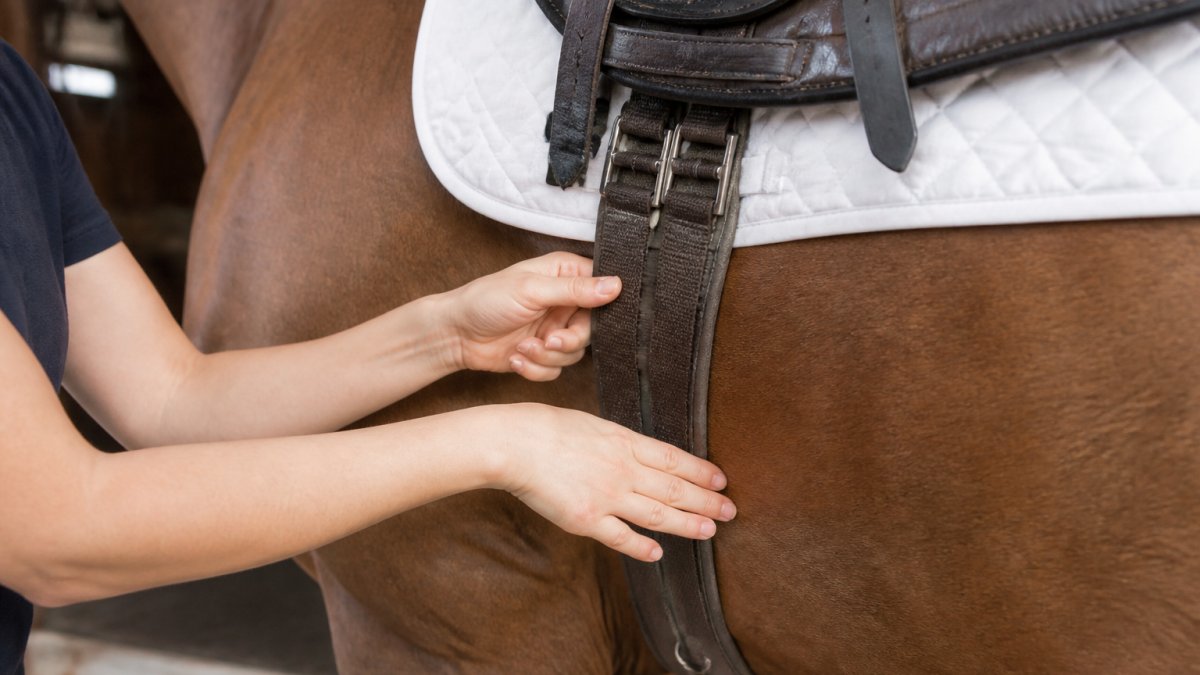
Check the fit by sliding two fingers under the girth after tightening: gentle pressure, not restriction, and no deep grooves or red marks after riding.
The angle of the girth straps also affects fit. Angled attachment points that follow your saddle's natural geometry prevent the pressure points straight vertical straps create on sensitive skin.
Best Girth for Sensitive Horses: Material Comparison
Fleece-Padded Synthetic Options
Fleece-padded synthetic girths offer consistent cushioning that doesn't compress over time the way leather padding can. The fleece creates a soft interface between girth and skin, reducing the friction that triggers girth itch, with no stiff break-in phase.
The SIE EQUESTRIAN Fleece-Padded Horse Girth at $104.99 is a practical choice for everyday riders managing sensitive horses: immediate comfort without leather's conditioning period.

Synthetic girths also feel consistent across saddles and body types, avoiding the pressure variation of leather girths at different break-in stages.
Contoured Designs for Chafe Prevention
Contoured girths follow the horse's natural body shape, distributing pressure more evenly than straight designs. Wider at the center and tapering at the edges, they sit against the ribcage without digging into the soft tissue behind the elbow.
The SIE EQUESTRIAN Contoured Chafeless English Girth at $111.99 combines contoured design with engineered shaping to minimize the pressure points that create girth galls, often preventing problems before they start. The contoured shape also sits more securely without over-tightening.

Contoured designs matter most for horses with narrow chests or prominent ribcages, where straight girths struggle to distribute pressure.
Girthy Horse: Causes and Solutions
A girthy horse, one that pins its ears, swishes its tail, or tenses when the girth is tightened, is usually responding to discomfort, not being difficult. The fix depends on identifying the cause.
The Four Common Causes
Pressure points from poor fit. A girth too far forward interferes with the shoulder; too far back and riders over-tighten to compensate.
Trapped moisture and microbial growth. Girth itch is driven by bacteria and fungi that thrive where sweat and moisture stay against skin.
Scar tissue from previous girth galls. Scar tissue stays sensitive, so a horse may remain girthy for months after the skin heals.
Body shape that concentrates pressure. A horse with a narrow chest, prominent ribcage, or prominent withers concentrates girth pressure in a smaller area no matter how carefully you tighten.
Body Type and Fit Considerations
Girth comfort is a geometry problem as much as a material problem. Three body-type factors change which girth works:
- Narrow chest with prominent ribcage. A straight girth bridges the ribcage and concentrates pressure at the edges. A contoured girth that follows the body shape spreads load across the ribcage instead of digging in behind the elbow.
- Wide, stocky build. A wider girth distributes pressure over more surface area, which reduces the intensity at any single point. Stockier horses often do better with wider designs regardless of material.
- Prominent withers and a forward saddle position. These horses are prone to the girth creeping forward into the shoulder. Angled girth straps that follow the saddle's geometry help keep the girth in the natural groove behind the elbow.
Width matters too: a wider girth spreads pressure across more skin surface. For a sensitive horse, wider is usually better, provided it fits the saddle's billets and doesn't interfere with the elbow.
Protecting the Saddle and Leather
Riders often ask whether synthetic and fleece girths damage saddle leather or the billets. A properly fitted girth of either material shouldn't, but a few practical steps help.
Keep the billets clean and conditioned, since they bear the load and wear fastest, and check stitching regularly, a worn billet is a safety issue regardless of girth material. Store the saddle covered, avoid storing a damp girth against it, and make sure elastic ends aren't over-stretched, since uneven tension pulls the saddle to one side.
A Practical Troubleshooting Sequence
When a horse is girthy, work through the causes in order: fit and placement first (two fingers, natural groove, angled straps), then cleanliness and drying, then body shape and whether a contoured or wider design is needed, and finally any history of galls or scar tissue. Most girthy behavior resolves once pressure and moisture causes are addressed.
Horse Girth Sizing Guide and Fit Considerations
Girth size is measured in inches, typically 28 to 56, and depends on your saddle's design and your horse's body shape. Measure from the saddle's attachment point on one side, under the belly, to the attachment point on the other.
SIE EQUESTRIAN Fleece-Padded Horse Girth →
Most horses in regular work wear girths between 44 and 50 inches. Narrow-bodied horses may need 40 to 46 inches, while stockier horses often need 50 to 56 inches.
Width also affects comfort: wider girths distribute pressure more evenly, and a sensitive horse often benefits from a wider design that spreads pressure across more skin surface.
| Girth Measurement | Best For | Typical Horse Type | Fit Consideration |
|---|---|---|---|
| 28-36" | Miniature horses, ponies | Small ponies | Rarely used for full-size horses |
| 40-44" | Narrow, fine-boned horses | Thoroughbreds, Arabs | May need extra padding for sensitive skin |
| 44-50" | Average riding horses | Quarter Horses, Warmbloods | Most common range; good for sensitive horses |
| 50-56" | Stocky, wide-bodied horses | Draft crosses, heavier breeds | Wider girths distribute pressure better |
Durability, Care, and Long-Term Performance
Durability is where the synthetic vs leather decision gets expensive, and most comparisons stop at "leather needs conditioning, synthetic is easy to wipe down." That's true but incomplete. The real long-term cost depends on three factors: behavior across temperature extremes, repairability, and how maintenance frequency interacts with a sensitive horse's skin.
Temperature and Climate Performance
Leather and synthetic materials react to heat and cold in opposite ways, and this matters for sensitive horses because both extremes change how the girth contacts the skin.
In summer heat, leather softens and becomes more pliable, which improves comfort, but a sweaty leather girth absorbs moisture and, if not dried thoroughly, breeds the bacteria and fungi behind girth itch. Synthetic fleece wicks and dries faster, though some closed-cell surfaces feel tacky against a sweaty horse.
In cold weather, leather stiffens and can crack if it wasn't conditioned before the season turned, creating exactly the pressure points you're trying to avoid.
Repairability and Long-Term Value
When the material wears out, can you fix it or do you replace the whole girth?
Leather is repairable: a saddler can restitch a worn billet strap, replace elastic, or patch a cracked section, and conditioning extends life indefinitely. The trade-off is labor, neglected leather doesn't just wear out; it becomes a skin irritant.
Synthetic girths generally aren't repairable at the component level, when fleece compresses flat or the shell abrades, replacement is usually the answer.
A practical way to think about it: leather is a maintenance investment, synthetic is a replacement cycle. Neither is automatically cheaper.
Care Routines That Protect a Sensitive Horse
The care routine matters more than the material for a sensitive horse. Moisture trapped against skin is the root cause of most girth-related skin problems, and both materials can trap it if mishandled.
After every sweaty ride, wipe the girth contact surface and hang it to dry fully before the next use. Clean leather with a leather cleaner and condition periodically; brush synthetic fleece to remove hair and sweat residue and wash per the manufacturer's instructions.
For sensitive horses, the low-maintenance nature of synthetic girths means you're more likely to keep them clean and dry between rides, which reduces bacterial growth.
Which Girth Should You Choose?
For most sensitive horses, a fleece-padded synthetic girth is the practical starting point: immediate comfort, minimal break-in, easier to keep clean. The SIE EQUESTRIAN Fleece-Padded Horse Girth at $104.99 provides reliable cushioning without an irritating conditioning period.
If your sensitive horse has a narrow chest, prominent ribcage, or history of girth galls, prioritize contoured design. The SIE EQUESTRIAN Contoured Chafeless English Girth at $111.99 addresses the pressure-point issues that bother these horses most.
Leather girths remain a solid choice if you're committed to regular cleaning and conditioning, they offer excellent breathability and conform to your horse's body over time.
The best girth for your sensitive horse matches three criteria: it fits your saddle correctly, suits your horse's body shape, and you'll maintain it properly between rides.
When you're ready to upgrade your tack setup, Horsey Horse Store offers both synthetic and contoured options designed for everyday riders managing sensitive horses.
Choosing between synthetic vs leather girths for sensitive horses doesn't require choosing between quality and practicality.
Frequently Asked Questions
Are synthetic or leather girths better for sensitive horses?
Synthetic girths, especially those with fleece padding, tend to be gentler on sensitive horses because they offer consistent cushioning and reduce friction against the skin. Leather girths can work well if properly conditioned and maintained, but they require more care to prevent hardening and chafing. For horses prone to girth sensitivity, synthetic options with contoured designs provide reliable comfort and are easier to keep clean and soft.
How do you fit a horse girth correctly?
A correctly fitted girth sits just behind the horse's front legs in the girth groove, not on the rib cage. You should be able to fit two fingers under the girth when fastened. Check fit with the saddle in place and the horse standing square. Tighten gradually before mounting, and recheck after a few minutes of riding as the girth may need slight adjustment. Proper fit prevents rubbing and ensures the saddle stays secure without restricting breathing.
What causes a horse to become girthy?
Horses become girthy when they experience discomfort during girthing, often from an ill-fitting girth, sensitivity to pressure, or previous chafing. Poor girth placement, inadequate padding, or dirty tack can trigger the behavior. Girthiness may also signal saddle fit issues or underlying skin sensitivity. Switching to a well-padded synthetic girth, improving your fitting technique, and ensuring the girth is clean can resolve many cases. If the problem persists, have your saddle fit evaluated by a professional.
How tight should a horse's girth be?
A girth should be snug enough to keep the saddle secure but never restrict the horse's breathing. The two-finger rule is standard: you should fit approximately two fingers under the girth when fastened. Tighten gradually before mounting, and avoid over-tightening, which causes discomfort and can lead to girthiness. Recheck the girth after mounting and during your ride, as horses may relax their muscles and the girth may loosen slightly.