

Table of Contents
- Why Natural Alternatives to Horse Fly Spray Matter
- Essential Oils for Horse Fly Repellent: Which Ones Work
- DIY Horse Fly Spray Recipe: Step-by-Step Instructions
- Horse Fly Spray Safety: Patch Testing and Application Guidelines
- Physical Barriers: Bonnets, Hoods, and Fly Boots
- Natural vs. Chemical Repellents: What the Evidence Shows
- Common Mistakes When Using Natural Fly Repellents
- Frequently Asked Questions
Last Updated: September 30, 2026
Why Natural Alternatives to Horse Fly Spray Matter
Flies are relentless. They land on your horse's face, neck, and legs, causing irritation that builds throughout the day. Many horse owners reach for conventional fly sprays without considering what they're applying to their horse's skin. This guide from Horsey Horse Store covers natural alternatives to horse fly spray that can reduce pest pressure while keeping your equine's coat and skin in better condition.

The problem with synthetic repellents isn't that they don't work, it's that they often contain chemicals designed for broad-spectrum pest control, which means your horse absorbs compounds meant to disrupt insect nervous systems. Natural alternatives to horse fly spray use botanical extracts and essential oils that deter flies through scent and taste, without the same systemic absorption concern.
Your horse doesn't need a chemical arsenal. Effective fly management relies on three things: understanding which repellents actually work, applying them correctly, and layering your defense with physical barriers. Below, we'll show you exactly how to build a natural fly control system that works for your barn.
Essential Oils for Horse Fly Repellent: Which Ones Work
Not all essential oils repel flies equally. The ones that work contain volatile compounds that insects actively avoid. The ones that don't work smell pleasant to humans but do nothing to flies. Understanding the difference saves you money and frustration.
Citronella, Eucalyptus, and Peppermint Oil
Citronella is the most recognized fly repellent, and for good reason. It contains geraniol and citronellal, compounds that flies find genuinely unpleasant. Eucalyptus oil works through similar mechanisms, its strong menthol content creates a sensory barrier that flying insects avoid. Peppermint oil combines both approaches: it smells sharp to insects and contains menthol compounds that disrupt their ability to land comfortably.
These three oils form the foundation of most effective natural repellents. They're non-toxic to horses when properly diluted, and they work best in combination rather than alone. A blend of all three creates a more persistent repellent effect than any single oil can achieve. Many horse owners report that citronella-based sprays lose effectiveness after 2-3 hours in direct sunlight, which is why reapplication matters.
Clove, Thyme, and Cinnamon Oil
Clove oil contains eugenol, a compound with documented insect-repellent properties. Thyme oil works similarly through thymol, which irritates fly sensory receptors. Cinnamon oil adds a warming quality that flies actively avoid landing on.
These three are secondary options, not because they don't work, but because they're stronger and require more careful dilution for equine skin. A horse's skin is more sensitive than human skin, and cinnamon oil in particular can cause irritation if applied at full strength. When you do use them, they should never exceed 2-3% of your total spray mixture.
The benefit of including these oils is longevity. Clove and thyme compounds persist longer on the coat than citronella alone, meaning fewer reapplications throughout the day.
Neem Oil and Lemongrass
Neem oil works differently than essential oils. It doesn't repel flies so much as disrupt their reproduction cycle and feeding behavior. Applied regularly, neem reduces fly populations over time rather than just pushing them away temporarily. Lemongrass contains citral, which flies find repellent, and it works well in combination with other oils.
Neem oil is thicker and requires careful mixing with carrier oils to avoid buildup on the coat. It's best used as part of a weekly grooming routine rather than a daily spray. Lemongrass, by contrast, works immediately and can be included in daily applications without concern.
A practical approach: use citronella and eucalyptus for daily fly pressure, and add neem oil to your weekly grooming spray to address the underlying population.
DIY Horse Fly Spray Recipe: Step-by-Step Instructions
Creating your own natural alternatives to horse fly spray takes 10 minutes and costs less than commercial options. The key is proper dilution and consistent mixing.

Basic Recipe with Apple Cider Vinegar Base
Apple cider vinegar serves as both a carrier and a repellent on its own. Flies dislike the acidic smell, and it won't damage your horse's coat. Here's the basic formula:
Basic Apple Cider Vinegar Fly Spray:
- Pour 2 cups of apple cider vinegar into a clean spray bottle
- Add 15-20 drops of citronella oil
- Add 10 drops of eucalyptus oil
- Add 5-10 drops of peppermint oil
- Fill the remaining space with water (about 1 cup)
- Shake vigorously for 30 seconds before each use
- Spray onto your horse's neck, legs, and face (avoid eyes and nostrils)
This recipe creates a 1:1 vinegar-to-water ratio, which is strong enough to repel flies without irritating skin. The apple cider vinegar smell fades as it dries, leaving behind the essential oil scent that flies avoid.
Horse Face Mosquito Protection Cover →
Carrier Oils and Dilution Ratios
Carrier oils dissolve essential oils evenly and prevent them from concentrating in one spot on your horse's skin. Without a carrier, essential oils can burn or irritate. The most effective carriers for equine use are vegetable glycerin and witch hazel.
Vegetable glycerin is thicker and creates longer-lasting protection, but it can leave a slight residue on the coat.
Mixing and Storage Instructions
Mix your spray in a glass bottle rather than plastic, as essential oils can degrade plastic over time. Shake the bottle for 30 seconds before every application, essential oils and water naturally separate, and shaking ensures even distribution.
Horse Fly Spray Safety: Patch Testing and Application Guidelines
Safety is where many DIY approaches fail. Just because something is natural doesn't mean it's safe for every horse. Individual horses have different sensitivities, and some essential oils can trigger reactions in horses with existing skin conditions.
Patch Testing Protocols for Equine Skin
Before applying any new spray to your entire horse, test it on a small area of skin first. Choose an inconspicuous spot, inside the hind leg or behind the shoulder works well. Apply a small amount (roughly the size of a quarter) and wait 24 hours.
During that 24 hours, watch for:
- Redness or swelling
- Excessive scratching or rubbing
- Flaking or dry skin
- Any change in behavior suggesting discomfort
Proper Application Frequency and Methods
Apply your natural alternatives to horse fly spray every 2-4 hours during peak fly season. Morning application before turnout is essential. A second application at midday extends protection through the afternoon. Evening application before stall time reduces overnight fly pressure.
Physical Barriers: Bonnets, Hoods, and Fly Boots
Natural sprays work best when combined with physical barriers. A fly bonnet or hood prevents direct contact between flies and your horse's face and ears, the areas where flies cause the most irritation and potential for fly strike.
Natural vs. Chemical Repellents: What the Evidence Shows
The comparison between natural and chemical repellents often comes down to persistence versus safety. Synthetic repellents like permethrin and pyrethrin-based products typically last 6-8 hours with a single application. Natural alternatives typically last 2-4 hours and require more frequent reapplication.
Common Mistakes When Using Natural Fly Repellents
The most common mistake is underdiluting the recipe. Horse owners often think that more essential oil means better repellency. In reality, anything above 5% concentration risks skin irritation without improving fly control. Stronger isn't better, correct dilution is.
Frequently Asked Questions
What is the best homemade fly spray for horses?
A simple and effective DIY horse fly spray recipe combines apple cider vinegar as the base, vegetable glycerin or witch hazel as a carrier, and essential oils like citronella, eucalyptus, or peppermint. Mix 1 cup apple cider vinegar, 1 cup water, 2 tablespoons vegetable glycerin, and 15-20 drops of essential oil. Spray directly onto the horse's coat, avoiding the eyes and face. Always patch test on a small area first to check for skin sensitivity.
What scents do horse flies hate most?
Horse flies are repelled by citronella, eucalyptus, peppermint, clove, thyme, cinnamon, neem oil, and lemongrass. These botanical extracts contain volatile compounds that deter stable flies, mosquitoes, and other flying insects. Combining multiple scents in a single spray often provides stronger protection than using a single essential oil. Reapply every 2-4 hours or after rain for best results.
Are essential oils safe for all horses?
Most essential oils are safe when properly diluted, but some horses may have sensitive skin. Always perform a patch test by applying a small amount to an inconspicuous area 24 hours before full application. Avoid applying concentrated oils directly to the skin, always dilute with a carrier oil like vegetable glycerin or witch hazel. Never spray near the eyes, nostrils, or mouth. If your horse shows signs of irritation, wash the area with water and discontinue use.
How often should you reapply natural fly repellent to horses?
Reapply natural fly repellents every 2-4 hours during peak fly season, or more frequently after rain, sweating, or bathing. The frequency depends on temperature, humidity, and the specific ingredients in your spray. Higher temperatures cause essential oils to evaporate faster, reducing effectiveness. During turnout, check your horse mid-day and reapply as needed. For stable use, morning and evening applications usually provide adequate protection.
What physical barriers work best alongside natural sprays?
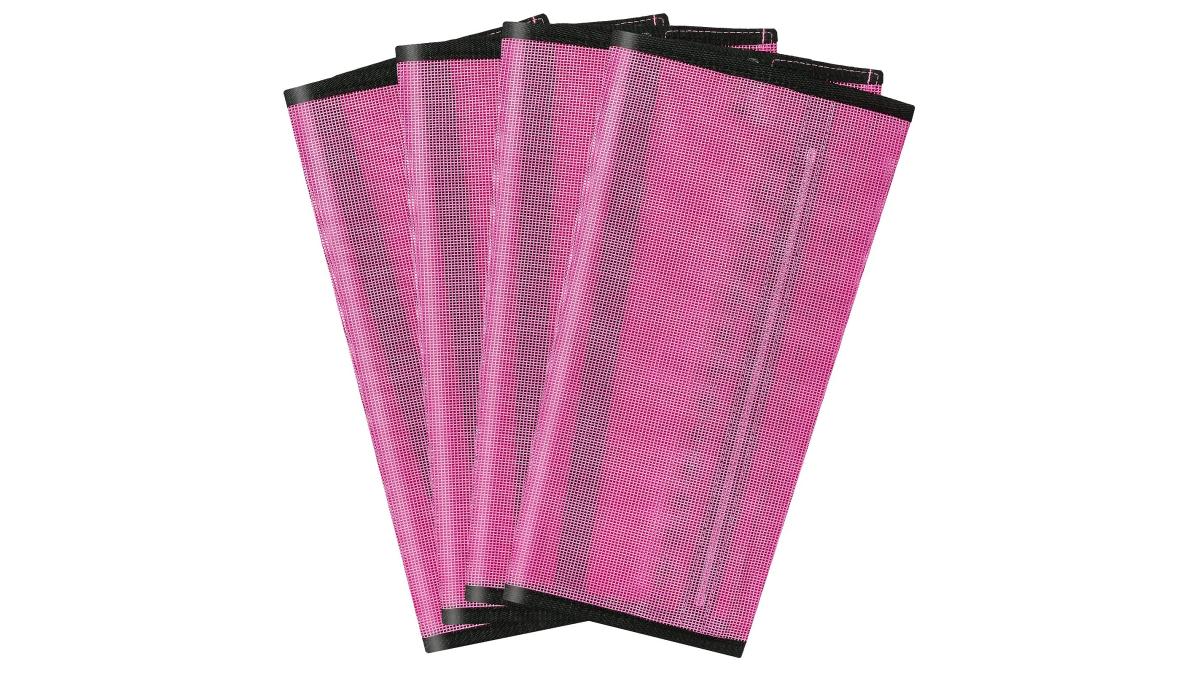
Fly bonnets, ear nets, and fly boots provide excellent non-chemical protection. The TGW RIDING Horse Fly Bonnet ($49.99) and Crochet Horse Ear Bonnet Fly Veil ($35.99) protect the face and ears where flies concentrate. For leg protection, the DABASHAN Horse Fly Boots Set of 4 ($117.44) uses breathable mesh to block bites. Full-body options like the RESISTANCE Horse Hood with Face Cover ($83.99) offer comprehensive protection. Combining physical barriers with natural sprays creates a multi-layered defense strategy.