

Table of Contents
- What Makes Durable Horse Tack Worth Buying Online
- Durable Leather vs Synthetic Tack: Which Should You Buy?
- Horse Bridle Sets: How to Choose the Right One Online
- Featured Reins: Durable Horse Tack Ready to Ship
- Horse Tack Maintenance Tips That Extend Gear Life
- Blankets, Halters, and Stable Supplies: Rounding Out Your Tack Room
- How to Buy Horse Tack Online Without Guessing on Fit
- Conclusion
Last Updated: August 17, 2026
What Makes Durable Horse Tack Worth Buying Online
Buying durable horse tack online is practical, but riders often don't know what to look for before clicking "add to cart." At Horsey Horse Store, we've built our catalog around one principle: gear that holds up to daily schooling, trail riding, and barn work. Every piece is selected for material integrity, construction quality, and real-world performance.
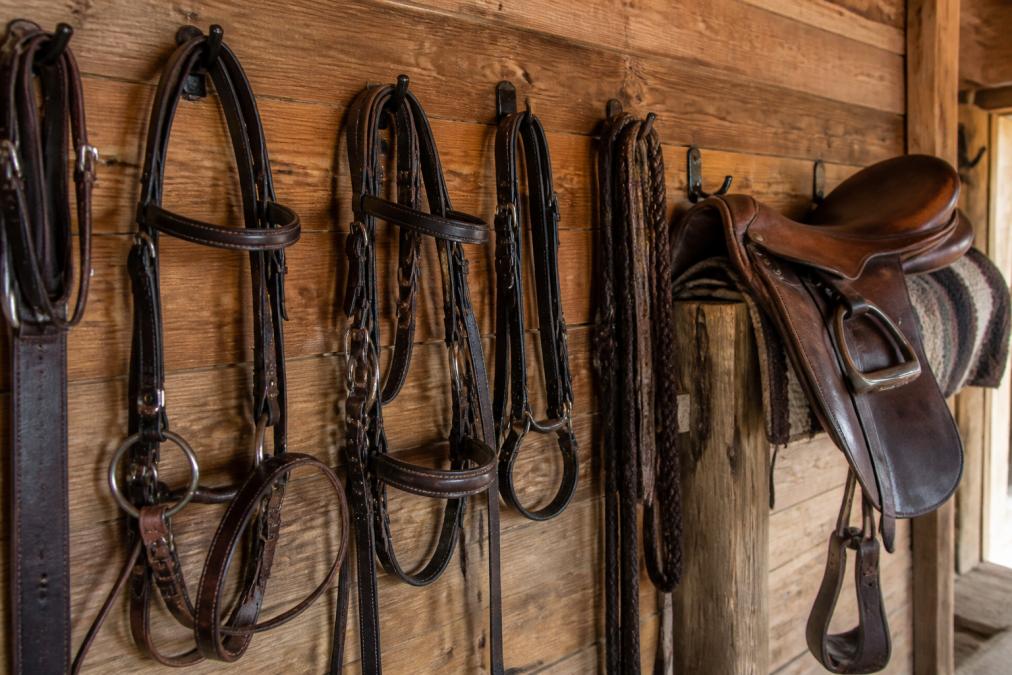
The biggest mistake riders make is treating price as a proxy for quality. Longevity depends on the combination of material grade, hardware quality, and how well the piece is finished at seams and stress points.
Here's what to check before buying any piece of tack online:
- Material grade: Full-grain leather outlasts top-grain or bonded leather by years. For synthetic options, look for biothane or heavy-duty nylon with welded or bar-tacked stress points.
- Hardware: Solid brass or stainless steel buckles resist corrosion. Plated hardware tends to flake and corrode with regular sweat exposure.
- Stitching: Double-stitched seams with waxed thread are standard for any piece that takes consistent load.
- Finish: Sealed edges on leather prevent cracking. On synthetic tack, look for reinforced edges rather than raw cuts.
Saddles and Saddle Pads: Fit Comes First
Saddle fit is the single most important factor in your horse's comfort and your riding effectiveness. A saddle that doesn't fit correctly causes back soreness, impedes movement, and creates instability for the rider. When buying online, focus on tree width, panel shape, and flap length.
Most reputable online listings specify tree size in inches or by standard width designation (narrow, medium, wide, extra-wide). Cross-reference those measurements with your horse's withers width. A basic withers tracing takes about five minutes and gives you a reliable reference point.
A well-fitted saddle on a worn-out pad is still a problem. Look for pads with adequate loft in the spine channel, washable materials, and non-slip backing. A quality half-pad adds adjustability to make a slightly imperfect saddle fit work.
Bits, Reins, and Breast Collars That Hold Up to Daily Use
Bits, reins, and breast collars take daily handling, sweat, and weather exposure. For reins, material choice is critical: leather offers feel and grip but requires consistent conditioning; synthetic and braided poly reins are nearly maintenance-free and hold up well in wet conditions.

Breast collars are often overlooked until one fails mid-ride. Look for heavy-duty construction with reinforced attachment points and hardware rated for the stress loads involved.
Durable Leather vs Synthetic Tack: Which Should You Buy?
The leather versus synthetic debate depends on your discipline, maintenance habits, and riding environment.
| Factor | Leather Tack | Synthetic / Biothane Tack |
|---|---|---|
| Durability with care | Decades with proper conditioning | 5-10+ years, low maintenance |
| Weather resistance | Moderate; needs conditioning in wet | Excellent; fully weatherproof |
| Feel and tradition | Classic; preferred in show rings | Functional; improving in quality |
| Maintenance demand | High (regular cleaning and conditioning) | Low (wipe clean with water) |
| Best for | Show riding, traditional disciplines | Trail riding, wet climates, busy barns |
| Initial cost | Generally higher | Generally lower to mid-range |
When Leather Tack Makes Sense
Leather tack makes sense when presentation matters, when you prefer traditional materials, or when you're willing to invest time in regular maintenance. Well-cared-for leather tack genuinely lasts decades. A quality leather bridle, conditioned consistently, will outlast several generations of budget synthetic alternatives.
Neglect accelerates leather degradation faster than heavy use does. A leather bridle used daily but conditioned weekly will outlast one used monthly but never cleaned. If your schedule doesn't allow for regular tack care, leather may cost more in the long run.
When Synthetic or Biothane Tack Wins
Biothane is a synthetic webbing with a polyurethane or vinyl coating that's completely waterproof, easy to clean, and resistant to mold and mildew. For riders in humid climates or anyone who regularly rides through water, biothane tack is a practical choice.
According to The Equine Science Center at Rutgers University, environmental moisture is one of the primary accelerators of leather degradation. For riders who can't consistently keep tack dry between uses, synthetic materials offer a reliable alternative without compromising safety.
Synthetic tack also wins in busy multi-horse barns. When maintaining equipment for multiple horses, the ability to hose down tack instead of conditioning it piece by piece is a real operational advantage.
Horse Bridle Sets: How to Choose the Right One Online
A horse bridle set is the combination of headstall, bit, and reins that forms your primary communication system with the horse. Choosing the right bridle set online requires understanding discipline (English vs. Western), sizing, and hardware compatibility with your bit.
English vs Western Bridle Differences
English bridles use a cavesson noseband, browband, and throatlatch, designed to work with double-jointed or single-jointed bits. Western headstalls are simpler, often without a noseband, and designed to work with shanked bits common in Western riding.
When shopping online: English bridles have more adjustable points and more parts to size correctly. Western headstalls are more forgiving in fit but require careful attention to bit attachment style (Chicago screws vs. buckles).
Sizing a Bridle Without Trying It On
The three measurements that matter most are:
- Poll to nose: Determines the cheekpiece length.
- Nose circumference: Sizes the noseband.
- Browband length: Measured from ear to ear across the forehead.
Most online listings categorize bridles as pony, cob, horse, or warmblood/draft. A standard "horse" size fits most Quarter Horses, Thoroughbreds, and similar breeds. Warmbloods and drafts typically need larger sizing.
Featured Reins: Durable Horse Tack Ready to Ship
Reins take the most daily handling, so construction quality shows up fast. Here are four options from Horsey Horse Store:
HILASON Braided Poly Barrel Racing Reins, $51.99 Braided poly construction with flat grip knots gives tactile control at speed. At 1" x 8 ft, they're sized for barrel work and trail riding. The poly material holds up to sweat and weather without leather's maintenance demands.
Outdoor Horse Reins, $57.87 Built for daily riding prep and schooling sessions, these reins balance durability with feel. A versatile choice for arena work and trail use.

HILASON Braided Cotton Barrel Reins, $51.99 Cotton braid gives a softer feel than poly, making them a good fit for riders who prefer traditional grip texture. At 1" x 7 ft with a trigger snap, they're practical for quick tacking up.

PP Braid Shuiller Reins for Horse Riding, $77.18 The premium option. PP braid construction offers excellent grip retention in wet conditions and is suited for riders in the saddle daily.
All four ship free on orders over $25 and are covered by Horsey Horse Store's 30-day return policy.
Horse Tack Maintenance Tips That Extend Gear Life
The difference between tack that lasts five years and tack that lasts twenty comes down almost entirely to maintenance. Consistency matters most: a five-minute wipe-down after every ride prevents the buildup that causes real damage over time.
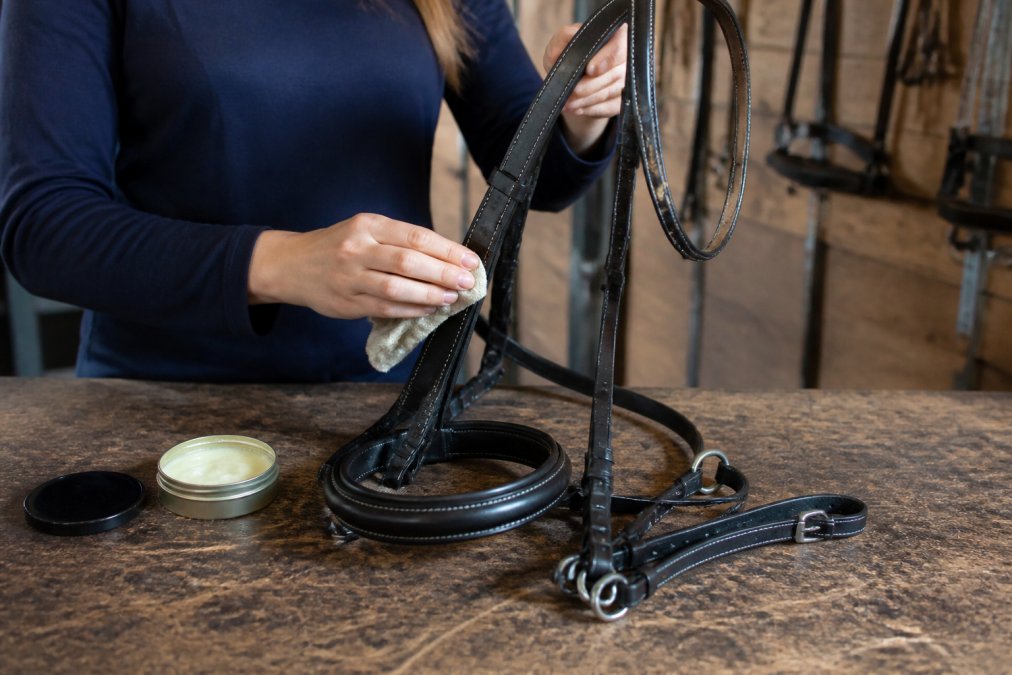
Leather Tack Care Routine
Leather tack care follows a simple sequence: clean, condition, and store correctly. The mistake most riders make is conditioning without cleaning first. Applying conditioner over sweat and dirt seals in contaminants, which accelerates breakdown.
A practical leather care routine looks like this:
- After every ride: Wipe down with a slightly damp cloth to remove sweat and surface dirt. Allow to dry at room temperature.
- Weekly (for daily-use tack): Apply a pH-balanced leather cleaner with a soft sponge, working into all surfaces including stitching channels.
- Monthly: Apply a quality leather conditioner or oil. Avoid over-oiling, which weakens stitching over time.
- Storage: Hang bridles on rounded hooks, store saddles on proper racks, and keep the tack room humidity between 40-60% if possible.
According to the American Association of Equine Practitioners, proper equipment maintenance is a core component of equine welfare. Tack that's cracked, dried out, or poorly fitted creates pressure points and increases injury risk.
Synthetic Tack Cleaning and Storage
Synthetic tack cleaning is simple. Biothane and most heavy-duty nylon tack can be wiped clean with a damp cloth or rinsed with water. For stubborn grime, a mild dish soap solution works without damaging the material.
Storage rules for synthetic tack:
- Keep away from prolonged direct sunlight, which degrades synthetic materials over time
- Check hardware regularly for corrosion, especially at bit attachment points
- Inspect stitching on nylon tack after heavy use; UV exposure weakens thread faster than it affects the webbing
Blankets, Halters, and Stable Supplies: Rounding Out Your Tack Room
Saddles and bridles get most of the attention, but a functional tack room runs on supporting equipment: blankets, halters, lead ropes, and grooming tools. These items get used every single day and their durability matters just as much as your riding gear.
Horse blankets and sheets require evaluation of denier rating (weight and density of the outer shell), fill weight for turnout blankets, and waterproofing rating. A 1200-denier outer shell is standard for heavy-duty turnout use. Lighter sheets in the 600-900 denier range work well for stable use and mild weather.
Halters take constant daily handling. Leather halters have a safety advantage (they break under extreme pressure). Nylon halters are more durable for everyday use but should have breakaway hardware for turnout. Rope halters are effective training tools but should not be used for turnout or tying.
Lead ropes should have a solid snap that opens and closes cleanly under pressure, appropriate length for the task (10-12 feet for general use), and a material that doesn't burn the hands if a horse pulls.
For barn managers running multiple horses, buying stable supplies in practical quantities reduces per-unit cost. Horsey Horse Store's free shipping threshold of $25 makes it easy to consolidate routine supply orders.
How to Buy Horse Tack Online Without Guessing on Fit
Buying horse tack online without guessing on fit is achievable with the right preparation. Measure before you browse, not after you've fallen for a product listing.
The pre-purchase checklist for buying tack online:
- Measure your horse's head for bridle sizing (poll to nose, browband length, nose circumference)
- Know your horse's back length and withers width for saddle shopping
- Confirm your current bit size (measure the existing bit from ring to ring)
- Check the retailer's return policy before purchasing anything fit-dependent
- Read sizing notes in the product description carefully; "horse size" varies by manufacturer
The 30-day return policy at Horsey Horse Store exists specifically for fit-related issues. If a saddle pad doesn't sit right or a bridle doesn't size correctly, you're not stuck with it.
Photograph your horse's current tack before replacing it. The measurements and wear patterns on existing gear are useful reference points when evaluating new purchases. A bridle that's been fitting well for three years tells you exactly what size and style works for your horse.
Material specifications in a product listing tell you more than photographs do. Leather grade, hardware material, stitching type, and construction method determine how a piece of tack performs over time. When those details aren't listed, that's a signal worth noting.
As documented in the Horse Industry Statistics resource from the American Horse Council, the equine industry sees consistent growth in online tack purchasing year over year. The shift reflects improved product information, better return policies, and riders becoming more confident in their ability to evaluate gear remotely.
Frequently Asked Questions
What should I look for when buying horse tack online?
Check the material description first, reinforced stitching, heavy-duty hardware, and weatherproof finishes are signs of gear built to last. Read the sizing charts carefully and confirm the retailer has a clear return policy. A 30-day return window gives you enough time to test fit in real riding conditions. Look for specific details about construction rather than vague claims about quality.
What is the difference between synthetic and leather tack for durability?
Leather tack, when properly conditioned, can last decades and molds to your horse over time. Synthetic and biothane tack resists moisture, requires almost no maintenance, and holds up well in wet or muddy conditions. For trail riders and barn managers dealing with heavy daily use, synthetic tack often wins on practicality. For show riders or those who prefer a traditional feel, high-quality leather remains the standard.
How do I properly maintain horse tack to ensure longevity?
Clean leather tack after every few rides using a damp cloth to remove sweat and dirt, then apply a leather conditioner to prevent cracking. Store it away from direct sunlight and humidity. Synthetic tack can be rinsed with water and mild soap, then air-dried completely before storage. Check all hardware, stitching, and buckles regularly, catching a worn spot early prevents a failure mid-ride.
How much does quality horse tack usually cost?
Prices vary widely depending on material and type. Reins from Horsey Horse Store range from $51.99 to $77.18. Entry-level synthetic bridle sets typically run less than leather options, which can range from moderate to several hundred dollars for custom-made pieces. Free shipping on orders over $25 and a 30-day return policy help reduce the risk of buying gear that does not work for your horse.
Keeping your tack room stocked with reliable gear requires a retailer who takes quality seriously. Horsey Horse Store carries a curated selection of practical horse tack, saddles, and barn accessories built for everyday equestrians who don't have time for gear that fails. With free shipping on orders over $25, a 30-day return policy, and secure checkout, you can buy durable horse tack online with confidence. Add to cart and get your riding setup sorted.
This article was written using GrandRanker