

Table of Contents
- Essential Horse Tack for Beginners: What You Actually Need
- Saddles and Saddle Pads: Getting the Foundation Right
- Bridles, Bits, and Reins: Steering and Control
- Girths, Halters, and Lead Ropes: Securing Your Setup
- Synthetic vs. Leather Horse Tack: Durability and Cost
- Riding Apparel and Safety Gear: Protecting Yourself
- Essential Grooming Kit for Horses: Daily Care Basics
- Budgeting for Affordable Horse Tack: What to Spend
Last Updated: August 27, 2026
Essential Horse Tack for Beginners: What You Actually Need
Starting with affordable horse tack for beginners doesn't mean compromising on quality or safety. The right gear makes the difference between a comfortable ride and a frustrating experience for both you and your horse. At Horsey Horse Store, we help everyday riders build practical tack setups that work for daily schooling, trail riding, and barn management without breaking the bank.
Most beginners buy whatever's cheapest, then discover their saddle doesn't fit, their bridle pinches, or their reins slip in their hands. A few core pieces of quality equestrian gear prevent those problems entirely. The nine essentials below form the foundation of any functional riding setup.
| Essential Item | Purpose | Budget Range | Why It Matters |
|---|---|---|---|
| Saddle | Weight distribution and comfort | $400-$1,000+ | Poor fit causes back pain for horse and rider |
| Saddle Pad | Protection and cushioning | $40-$150 | Prevents saddle slipping and pressure points |
| Bridle | Steering and control | $50-$200 | Improper fit causes head tossing and resistance |
| Girth | Saddle security | $50-$150 | Loose girth = unsafe ride; too tight = discomfort |
| Halter and Lead Rope | Ground handling | $30-$80 | Essential for leading, tying, and trailer loading |
| Reins | Direct communication | $30-$100 | Slippery reins create dangerous control issues |
| Riding Helmet | Head protection | $40-$200+ | ASTM-SEI certified helmets meet safety standards |
| Half Chaps or Riding Pants | Leg protection and grip | $30-$150 | Prevents chafing and improves stability in saddle |
| Grooming Supplies | Daily horse care | $40-$250 | Regular grooming prevents skin issues and strengthens bond |
Saddles and Saddle Pads: Getting the Foundation Right
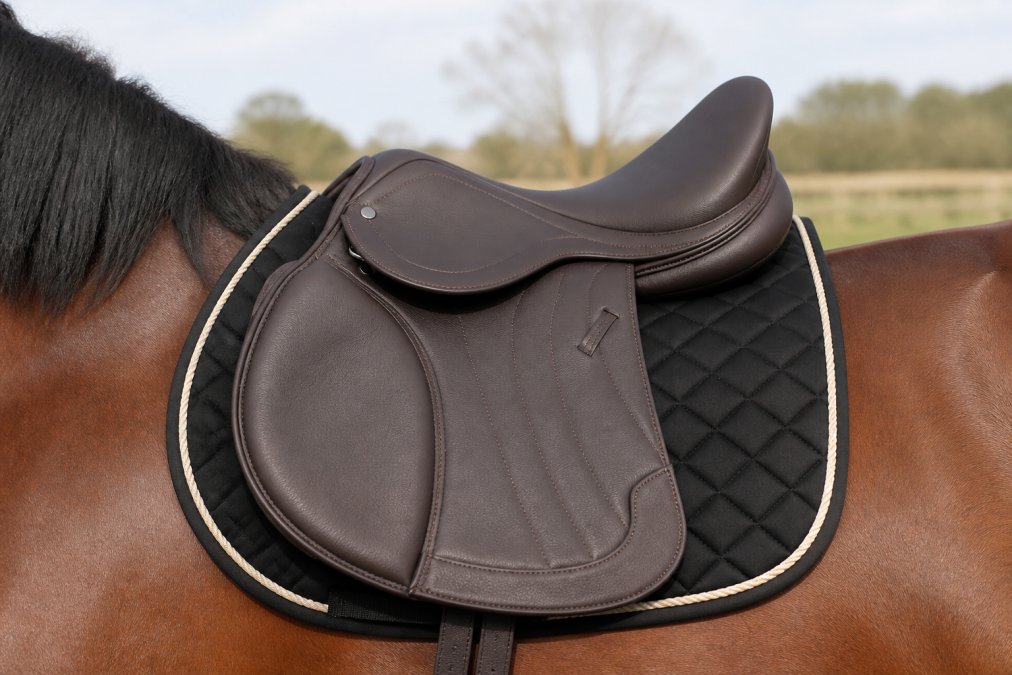
Your saddle is the single most expensive piece of affordable horse tack, and it's also the one that causes the most problems when it doesn't fit. A saddle that doesn't match your horse's back creates pressure points, restricts movement, and leaves your horse sore after rides. The right saddle distributes your weight evenly across the horse's back, protecting their spine and allowing free shoulder movement.
For beginners, an all-purpose saddle works well for multiple disciplines, trail riding, and schooling. The Pro Fit Horse Saddle at $975.77 offers solid construction and versatile design. A cheap saddle that doesn't fit costs more in the long run through veterinary bills and wasted rides.
Saddle pads sit between the saddle and the horse's back, providing cushioning and protection. The HORZE Adepto Quilted All-Purpose Saddle Pad ($42.99) combines affordability with practical features, quilted padding protects the horse's back and prevents saddle slipping, which is both uncomfortable and unsafe.
How to Fit a Saddle Correctly
A properly fitted saddle should sit level on the horse's back without rocking forward or backward. You should be able to fit two fingers between the saddle and the horse's withers, enough space that the saddle doesn't pinch, but snug enough that it doesn't shift. The saddle's bars should follow the horse's rib cage without creating gaps or pressure points.
Check fit by running your hand under the saddle on both sides. You're looking for even contact across the entire panel. Gaps along the horse's back mean the saddle is too narrow; tight spots mean it's too wide or positioned incorrectly. A saddle that rocks when you mount is too long for your horse's back.
Spend five minutes checking fit before every ride, especially when using a new saddle. Your horse's comfort and your safety depend on it.
Bridles, Bits, and Reins: Steering and Control
Your bridle connects you to your horse's head, and fit matters as much as it does for saddles. A bridle that's too loose allows the bit to slide around, creating inconsistent contact and confusion. A bridle that's too tight pinches the horse's cheeks and causes head tossing. The right fit keeps the bit stable and allows clear communication.
For beginners, a snaffle bit is the standard choice, it's simple, direct, and forgiving. Most horses go well in a basic jointed snaffle, which provides clear pressure and release.
Reins are where many beginners cut corners, and it's a mistake. Slippery reins cause you to lose contact, especially when your horse sweats or it rains. The HILASON Braided Poly Barrel Racing Reins ($39.99) provide secure grip without the maintenance of leather. Braided synthetic reins stay grippy even when wet, making them practical for trail riding and schooling.

Girths, Halters, and Lead Ropes: Securing Your Setup
Your girth holds the saddle in place, and a loose girth is one of the fastest ways to end up on the ground. The girth should be snug enough that you can't slide a finger under it when mounted, but not so tight that the horse can't breathe. Many horses need their girth tightened a few minutes after mounting as they settle.
The SIE EQUESTRIAN Fleece-Padded Horse Girth ($139.99) combines durability with comfort. Fleece lining prevents chafing, and the padded design distributes pressure evenly.
A halter and lead rope are essential for ground handling, leading your horse to the pasture, tying at the trailer, and basic groundwork. The Kabahorze Adjustable Fleece-Lined Horse Halter ($53.99) prevents rubs with its soft lining while offering secure control. For extended wear, a padded halter is kinder than a rope halter.
Synthetic vs. Leather Horse Tack: Durability and Cost
Leather is traditional, but synthetic materials have become genuinely practical for everyday riders. Synthetic tack is easier to clean, doesn't require conditioning, and often costs less. Leather requires regular maintenance but lasts longer with care and develops character over time.
For beginners, synthetic often makes sense. You're learning what works and managing a budget. Synthetic bridles, reins, and halters let you experiment without guilt. The HORZE Amara Half Chaps ($39.99) use synthetic leather that mimics real leather while being machine-washable and more affordable.
Synthetic durability depends on quality and use. A cheap synthetic saddle pad will pill and tear within a season; a quality one lasts years. Similarly, cheap leather cracks and dries out, while quality leather improves with age. For tack that gets heavy use, reins, girths, saddle pads, synthetic is practical. For investment pieces like saddles, leather offers better resale value and longevity if maintained properly.
Riding Apparel and Safety Gear: Protecting Yourself
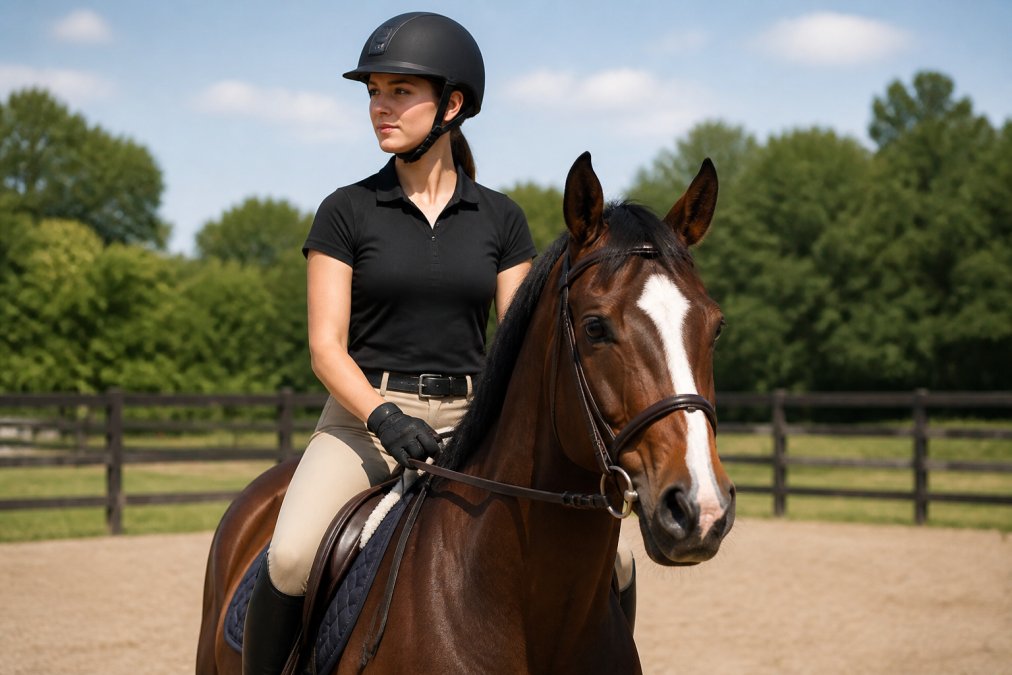
A riding helmet is non-negotiable. Head injuries while riding can be catastrophic, and a helmet is your only protection. The TuffRider Starter Riding Helmet ($49.99) meets ASTM-SEI safety standards, which means it's been tested and certified for impact protection (astm.org). Replace it after any fall or impact.

Half chaps protect your legs from the saddle and reins while improving your grip. The HORZE Amara Half Chaps ($39.99) are synthetic, machine-washable, and designed for daily use. Riding gloves improve grip and protect your hands from blisters and weather. The Equestrian Riding Gloves ($25.03) come in multiple colors and sizes.
Riding pants designed for riding have reinforced inner thighs and seat areas that prevent chafing. They're worth the investment if you ride regularly.
Essential Grooming Kit for Horses: Daily Care Basics
Regular grooming prevents skin issues, strengthens your bond, and gives you a chance to check for injuries. A basic grooming kit should include a curry comb, body brush, mane brush, hoof pick, and soft brush for the face.
The 8-Piece Horse Grooming Box Kit ($237.99) from Horsey Horse Store includes the essentials in an organized plastic box. A curry comb removes dried sweat and loose hair; a body brush smooths the coat; a hoof pick clears debris from the hooves. Grooming takes 15-20 minutes for a thorough session (aaep.org).

Daily grooming prevents skin fungus, allows you to catch injuries early, and keeps your horse comfortable. Horses that are groomed regularly are also more willing to be handled and ridden.
Budgeting for Affordable Horse Tack: What to Spend
Building a complete affordable horse tack setup costs between $1,500 and $2,500 for quality gear that will last years with proper care.
Here's a realistic breakdown:
- Saddle: $400-$1,000 (your biggest investment)
- Saddle pad: $40-$150
- Bridle: $50-$150
- Bit: $20-$80
- Girth: $50-$150
- Halter: $30-$80
- Lead rope: $15-$40
- Reins: $30-$100
- Helmet: $40-$200
- Half chaps: $30-$150
- Grooming supplies: $40-$250
- Miscellaneous (gloves, riding pants, boots): $100-$300
If that total feels overwhelming, prioritize: saddle and helmet first (safety and comfort), then saddle pad and girth (functionality), then bridle and reins (control). Everything else can be added gradually.
Many beginners buy used tack to save money, which is smart if you know what to look for. Used saddles and bridles are fine if they're clean, well-maintained, and fit your horse. Avoid used helmets, they may have internal damage from previous falls that isn't visible. Used safety gear should be new only.
Horsey Horse Store offers free shipping over $25 and 30-day returns on clean, unused items, which reduces the risk of ordering online. If a saddle doesn't fit your horse or a bridle feels wrong when it arrives, you can return it without penalty.
Building affordable horse tack for beginners means investing in pieces that work for your horse's body and your riding goals. Quality saddles, bridles, and safety gear aren't luxuries, they're the foundation of safe, comfortable riding. At Horsey Horse Store, we've curated a selection of practical equipment that balances durability, fit, and price. Start with the essentials, prioritize fit and safety, and add pieces as your needs clarify. Add to cart and get free shipping on orders over $25, backed by our 30-day returns guarantee.
Frequently Asked Questions
What are the absolute must-have items for a beginner rider?
Every beginner needs a properly fitted saddle, saddle pad, bridle with bit, girth, helmet, riding gloves, and a halter with lead rope. Start with these essentials before adding extras. A grooming kit rounds out your setup for daily horse care. Quality matters more than quantity, investing in safe, well-fitting gear prevents injury and discomfort for both you and your horse.
How much should a beginner expect to spend on affordable horse tack?
A basic starter setup can range from $400 to $800. For example, a Pro Fit Horse Saddle is $975.77, a HORZE Adepto Quilted All-Purpose Saddle Pad is $42.99, a TuffRider Starter Riding Helmet is $49.99, a SIE EQUESTRIAN Fleece-Padded Horse Girth is $139.99, and a Kabahorze Adjustable Fleece-Lined Horse Halter is $53.99. An 8-Piece Horse Grooming Box Kit is $237.99. Many riders spread purchases over several months rather than buying everything at once.
Are synthetic saddles a good choice for beginners on a budget?
Yes, synthetic tack offers excellent value for beginners. Synthetic materials require minimal maintenance and withstand weather and frequent use well. They're durable enough for daily schooling and trail riding. The trade-off is that leather offers superior comfort for long rides and lasts longer with proper care. For your first year of riding, synthetic tack delivers reliable performance without the investment or maintenance burden of leather.
How can I tell if a piece of used horse tack is safe to buy?
Inspect used tack for structural integrity: check leather for deep cracks, rot, or mold; examine stitching for breaks or separation; test buckles and hardware for function and rust. Avoid saddles with broken trees, cracked panels, or signs of water damage. For synthetic tack, look for tears, fading, or worn attachment points. Always try used saddles on your horse before purchasing. Horsey Horse Store's 30-day return policy applies to new items, giving you confidence in your choice.
What maintenance is required for affordable leather tack?
Clean leather tack after each use with a damp cloth to remove sweat and dirt. Condition monthly with leather conditioner to prevent cracking and maintain flexibility. Store in a cool, dry place away from direct sunlight. Check stitching and hardware regularly for wear. Proper maintenance extends leather's lifespan significantly, making initial investment worthwhile. Synthetic tack requires less upkeep, simply wipe clean and store dry. Either way, regular care prevents costly repairs and keeps your gear safe.
This article was written using GrandRanker